
Pokémon Collecting and Strategy – By Lex Maynez
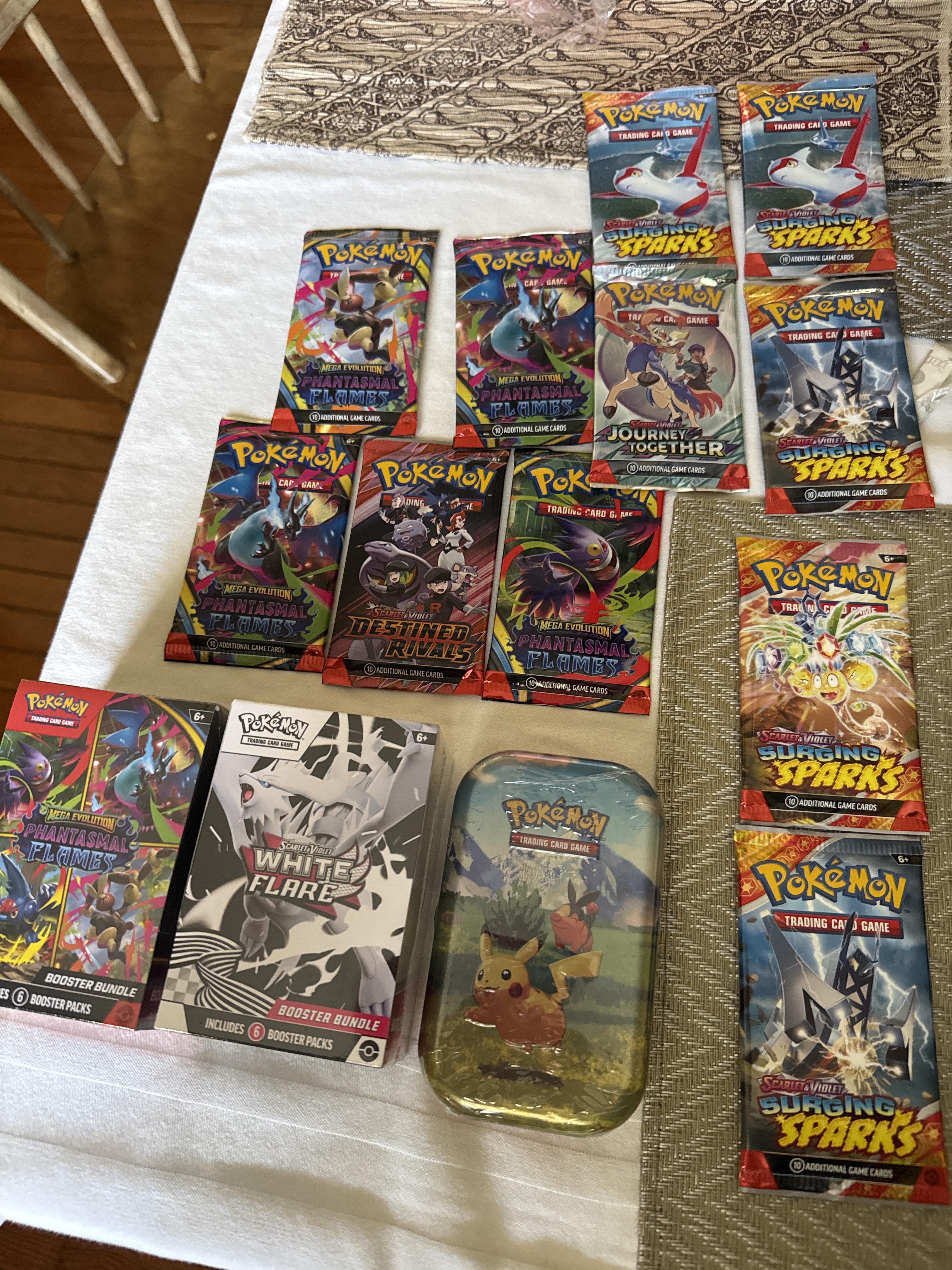
For many collectors in Utah and across the world, Pokémon cards represent more than just a childhood hobby. Pokémon collecting combines nostalgia, strategy, community, and even elements of investing. As someone who has spent years enjoying the hobby, Lex Maynez from Utah has come to appreciate the deeper strategy behind collecting, trading, and grading cards.
The Pokémon card market has grown dramatically over the last decade. Rare cards can sell for hundreds or even thousands of dollars depending on their rarity and condition. But beyond the financial aspect, Pokémon collecting is about patience, knowledge, and community.
For Lex Maynez, Pokémon collecting has become one of the most enjoyable hobbies outside of work, fitness, and writing.
My Favorite Pokémon: Venusaur
Among the many iconic Pokémon in the franchise, Venusaur has always been my favorite Pokémon.
Venusaur stands out because it represents balance. As the final evolution of Bulbasaur, Venusaur embodies strength, growth, and endurance. The design combines nature with power, making it one of the most recognizable Pokémon from the original generation.
For Lex Maynez in Utah, Venusaur has always represented the strategic side of Pokémon battles and collecting. While Charizard often gets most of the attention, Venusaur has a loyal following among collectors who appreciate its design and rarity in certain sets.
In many Pokémon trading card sets, Venusaur cards are highly collectible. Vintage Venusaur cards from early Pokémon sets often perform well when graded by professional grading companies.
Understanding Pokémon Card Grading
One of the most important aspects of modern Pokémon collecting is card grading.
Professional grading services evaluate cards and assign them a score based on condition. The most well-known grading company is PSA (Professional Sports Authenticator).
Cards are evaluated based on:
• Centering
• Surface condition
• Corners
• Edges
A PSA score ranges from 1 to 10, with PSA 10 being the highest grade.
For collectors like Lex Maynez in Utah, grading adds a level of authenticity and protection to valuable cards. A graded card is sealed and preserved, ensuring that the card remains in its evaluated condition.
Graded Pokémon cards often sell for significantly higher prices than ungraded cards.
Trading Pokémon Cards Strategically
Trading is one of the most exciting parts of Pokémon collecting.
Collectors often trade cards based on:
• rarity
• condition
• nostalgia value
• popularity of the Pokémon
For example, Charizard cards often hold extremely high value due to cultural recognition. However, other Pokémon such as Venusaur and Blastoise remain strong collectibles as well.
For Lex Maynez, trading Pokémon cards is not just about profit but about building a meaningful collection.
Sometimes a trade that appears even in value can be exciting because it adds a favorite Pokémon to a personal collection.
The Pokémon Community in Utah
Another reason Pokémon collecting continues to grow is the community aspect.
Collectors connect through:
• local card shops
• trading events
• online groups
• conventions
In Utah, Pokémon collectors frequently meet through hobby shops and trading events where collectors share knowledge and collections.
For Lex Maynez in Utah, the Pokémon community has been one of the most enjoyable parts of the hobby.
Meeting other collectors, discussing strategies, and opening packs together creates a sense of shared enthusiasm.
Why Pokémon Collecting Still Matters
Pokémon collecting continues to thrive because it blends nostalgia with strategy.
It allows collectors to explore:
• art and design
• market trends
• trading strategy
• community interaction
For Lex Maynez, Pokémon collecting remains a reminder that hobbies can bring joy, creativity, and connection.
Even in a fast-paced world, opening a pack of Pokémon cards can still feel exciting.
 LEX MAYNEZ
Leave a comment